
Mastering the best places to apply perfume for longevity is the secret behind a scent that actually lasts. You know that moment when a fragrance smells amazing at first, then seems to vanish the moment you walk out the door? The issue often isn’t the perfume itself — it’s that it’s sitting on spots where heat and evaporation work against you.
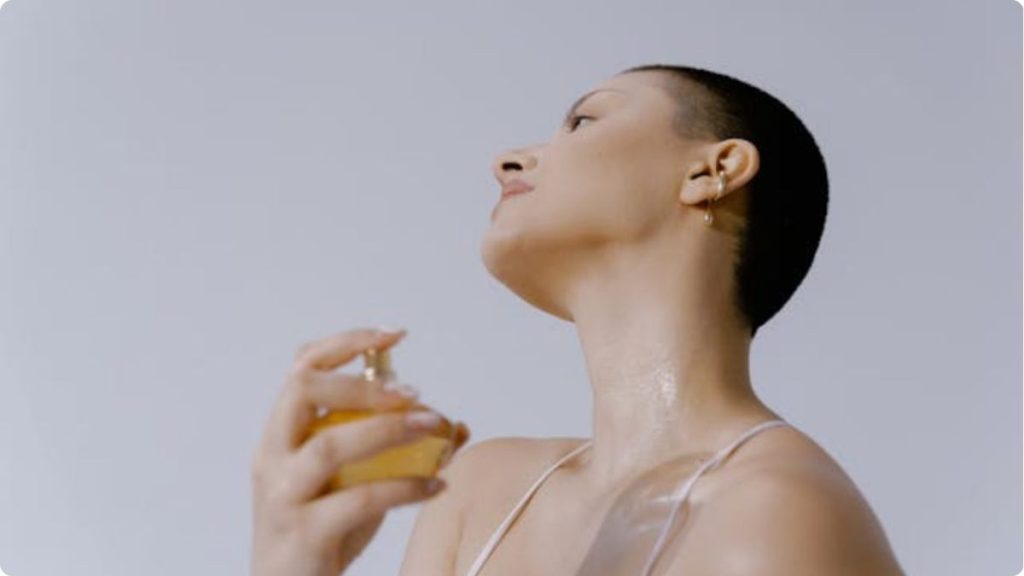
Placement is one of the few levers you can pull that changes real-world performance without buying a new bottle. The best strategy isn’t “spray more.” It’s choosing locations that protect the scent film on your skin, support diffusion, and match how you move throughout the day.
What actually makes perfume last on skin
Perfume longevity is basically a tug-of-war between how your fragrance is built and how your skin behaves. Volatile top notes (citrus, aromatics) are designed to lift off quickly; heavier base materials (woods, musks, resins) cling longer. Your skin’s oil level, temperature, and hydration determine how fast that evaporation happens and how the scent develops.
Heat increases diffusion, which can make a scent feel stronger at first but also burn through the brighter notes faster. Friction physically rubs off the perfume’s oil film, while dry skin can “drink” the carrier and leave less fragrance sitting on the surface. That’s why the same perfume can last eight hours on one person and two on another.
Best places to apply perfume for longevity (and why)
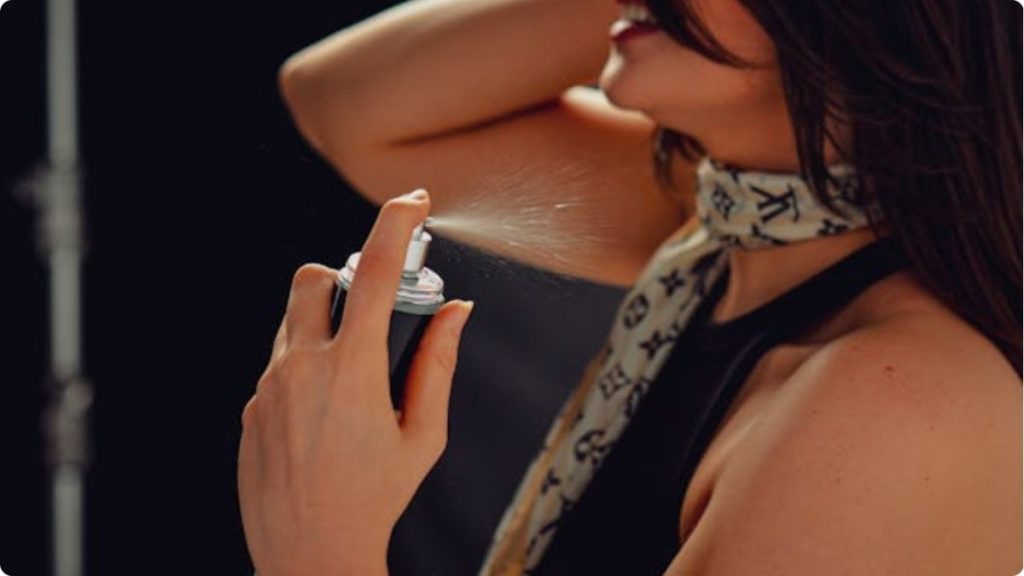
If your goal is longer wear time, prioritize areas that are slightly warmer than ambient (so the scent projects), but not constantly rubbed by clothing, bags, or your own hands. You’re looking for stable skin with moderate heat and low friction.
The sides and back of the neck
The neck is classic for a reason: it’s warm enough to diffuse scent into your personal space, and it’s close to your nose without being overwhelming. For longevity, the sides and back typically outperform the front.
The front of the neck gets hit with scarf and collar friction, plus frequent touching (adjusting jewelry, scratching, applying sunscreen). The sides and back are more protected. If you wear long hair, spraying lightly at the back of the neck can create a subtle “scent cloud” when you move, while keeping the fragrance film less exposed to constant air flow.
The upper chest (below the collarbone)
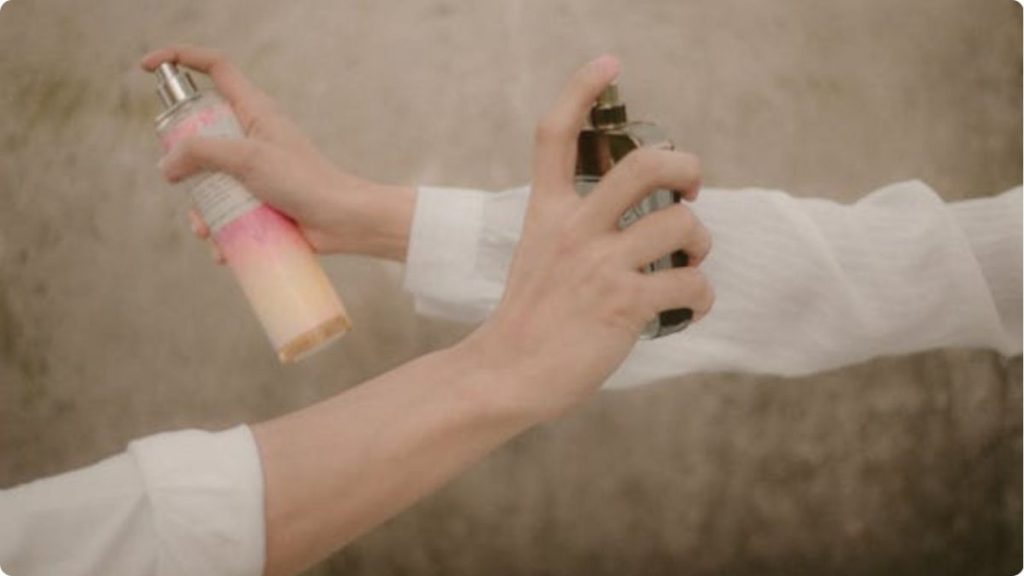
This is one of the best longevity spots because it’s warm, relatively sheltered, and less likely to be washed off by hand contact. The key is placement: aim below the collarbone rather than directly on it.
Perfume on the collarbone itself can transfer to clothing quickly, which can be a good or bad thing depending on the fabric. On skin just under the collarbone, you tend to get steady diffusion without as much rub-off.
The inner forearms (not the wrists)
Wrists are popular, but they’re a tough environment for fragrance. They get soap, water, sanitizer, sleeve friction, desk contact, and constant movement. If you want longer performance, move the application up an inch or two to the inner forearm.
You’ll still get the benefit of warmth and movement for projection, but with noticeably less abrasion. This placement also reduces the chance you’ll “kill” the opening by rubbing your wrists together, which breaks up the perfume’s structure and speeds evaporation.
The inside of the elbows (elbow creases)
For many people, elbow creases are a sweet spot: warm, slightly humid, and naturally protected when your arms are down. It’s also a low-touch area, which means the fragrance film can stay intact.
If you wear long sleeves, this is often better than wrists because cuffs don’t grind against it as aggressively. It’s especially effective for office wear when you want consistent, low-drama sillage that lasts into the afternoon.
Behind the ears (with a caveat)
Behind the ears can hold scent well because it’s warm and slightly oily. But it’s also a high-maintenance zone if you use skincare actives, hair products, or sunscreen that migrate.
If you apply here, do it after your hair products have dried, and keep the spray minimal. Heavy application can turn cloying quickly because this area amplifies projection near your face.
The lower back or back of the waist
This is an underused longevity hack because it’s warm and protected by clothing with relatively little friction. A light spray to the lower back can create a longer-lasting “trail” effect – especially with musky, woody, or ambery scents.
This placement also reduces nose fatigue. When scent is constantly in front of your face (like heavy neck application), you can go anosmic and assume the perfume disappeared when it hasn’t.
The back of the knees (best for warm weather)
If you wear shorts, skirts, or dresses, the back of the knees can deliver surprisingly good longevity. It’s warm, moves with you, and helps scent rise subtly as your body heats up.
The trade-off is that it’s not always practical in colder months, and it may be less noticeable if you’re seated most of the day.
Places that usually reduce longevity (even if they’re popular)
Wrists
Wrists are high friction and high wash-off. If you want scent you can smell on demand, fine – but expect performance to drop faster than most other pulse-point areas.
Hands and fingers
Great for an immediate scent hit, terrible for longevity. Handwashing and sanitizer strip fragrance fast, and food smells can distort what’s left.
The front of the neck
Between collars, scarves, and touching your face, the front of the neck often eats through top notes quickly. If you love this placement for personal enjoyment, keep it to a single light spray and anchor the rest elsewhere.
Skin chemistry: adjust placement to your “wear profile”
If your skin runs dry, perfume may flash off faster. In that case, protected areas like the upper chest, inner elbows, and lower back often outperform exposed forearms. Hydration matters more than people realize, because fragrance oils sit and radiate better on moisturized skin.
If your skin runs oily, you may get longer base-note wear, but also stronger diffusion early on. Move application slightly away from the hottest pulse points if openings go loud then collapse. The sides of the neck, back of the neck, and inner forearms can be more controlled than direct wrists.
If you run hot (or live in a warm climate), prioritize low-friction placements and reduce the number of sprays. Heat will do the projecting for you. In cooler weather, chest and neck placements help prevent a fragrance from feeling “muted” under layers.
How to apply for longevity without over-spraying
Placement works best when your skin is prepped and your technique is consistent. Think of it as building a stable scent film.
Start with clean, dry skin. If you shower, let your skin fully dry before spraying – water on the skin can dilute and spread perfume unevenly.
Moisturize the application zones if you’re prone to dryness. An unscented lotion creates a smoother surface and slows evaporation. You don’t need anything fancy; the goal is simply to reduce transepidermal water loss so the fragrance doesn’t disappear into a dry patch.
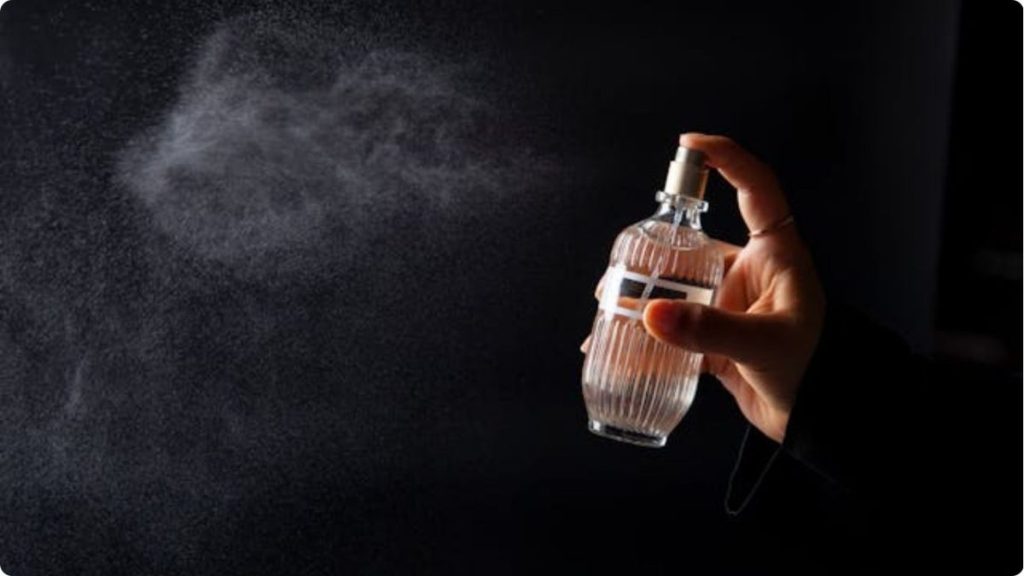
Spray from a reasonable distance (about 6 to 8 inches). Too close can create a wet spot that overwhelms at first and then fades unevenly; too far can mist the air and waste product.
Let it dry down. Don’t rub wrists together, and don’t press the scent into your skin. Friction warms and disperses the top notes faster and can make the opening feel harsher or shorter.
A practical placement map for different goals
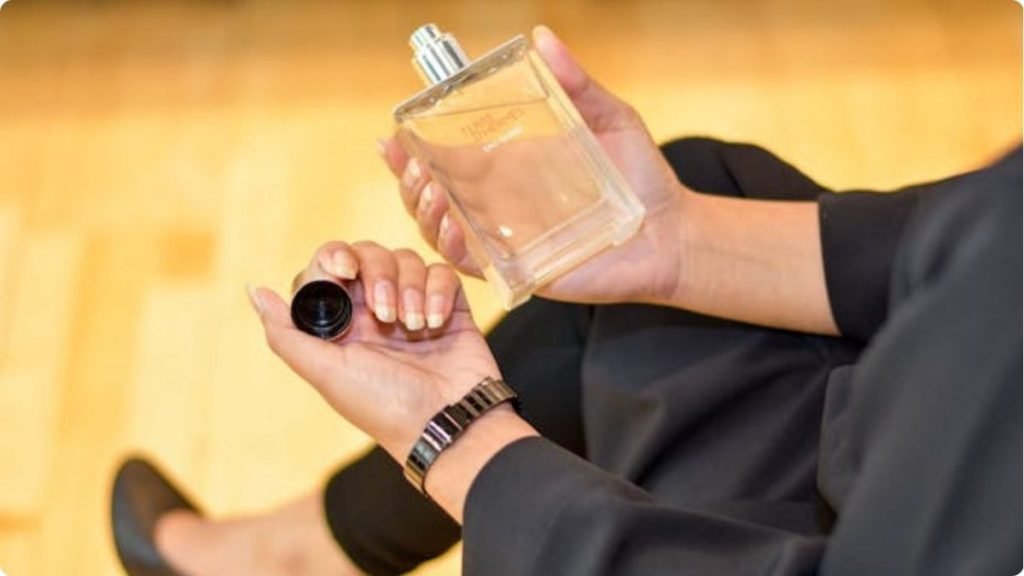
If you want maximum longevity for an all-day schedule, use two protected anchors and one projection point. For example: upper chest plus lower back for staying power, then a light spray on the sides of the neck for presence. That combination tends to last longer than concentrating everything on your wrists.
If you want more sillage (a noticeable trail), focus on areas that move and warm with your body, like the back of the neck and behind the knees, while keeping the dose controlled. Too much on the neck can create a heavy “bubble” that doesn’t travel well.
If you want a close-to-skin effect that still lasts, prioritize the inner elbows and upper chest and skip the loudest pulse points. This is especially helpful with sweet gourmands or dense ambers that can feel overpowering when they bloom too hard.
The clothing question: should you spray fabric for longevity?
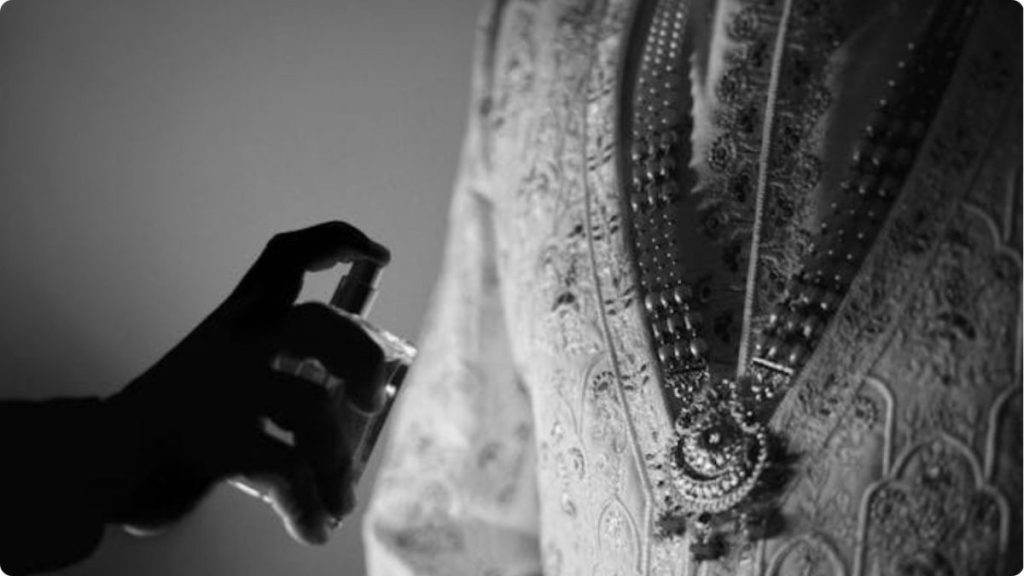
Fabric can hold scent longer than skin, but it changes the perfume. On cloth, you’ll often get less evolution (fewer skin-driven nuances) and a more linear profile. Delicate materials can stain, and some fragrances can cling to fibers for days, which can clash with what you wear next.
If you do spray clothing, treat it as a separate decision from skin longevity. A light mist on the inside of a jacket or the hem of a shirt can extend presence without saturating the garment. Just don’t rely on fabric to tell you how the perfume actually performs on your skin chemistry.
If you want to go deeper on performance variables like skin hydration and scent development, PerfumeOnSkin.com has dedicated longevity guidance that helps you troubleshoot what’s happening on your body, not just in the bottle.
The simplest rule that gets the biggest payoff
Apply perfume where your skin is warm enough to carry the scent, protected enough to keep it there, and out of the path of constant friction. When you get that balance right, you’ll stop chasing longevity with extra sprays – and start getting steady wear that feels intentional from the first hour to the last.
Save It On Pinterest


Leave a Comment