
You try a perfume on a friend and it is exactly what you want. You spray it on yourself and it turns sharper, sweeter, or oddly faint within an hour. That disconnect is not in your head – it is the normal result of fragrance meeting skin.

Perfume is a volatile mixture designed to evaporate in stages. Skin is a living surface with oils, moisture, heat, bacteria, and daily variables that change how those stages unfold. If you have ever wondered why perfume smells different on my skin, the most useful answer is also the most actionable: your skin changes the evaporation rate and the balance of notes, so you need a testing method that accounts for your personal chemistry and real-world wear.
Why perfume smells different on your skin (the real mechanics)
When perfumers build a formula, they are balancing materials by volatility. The citrus and airy aromatics lift first, florals and spices tend to sit in the middle, and woods, musks, resins, and ambers usually linger. On a blotter strip, that progression is relatively “clean” because paper does not produce oil, sweat, or warmth.
On skin, those same materials are exposed to temperature shifts, sebum (skin oil), hydration levels, and microflora. That environment can speed up the top notes, mute or amplify certain mid-notes, and make base notes feel heavier or more “skin-like.” The fragrance is not changing its ingredients – your wear conditions are changing their timing and emphasis.
Skin oil (sebum) changes diffusion and “sweetness”
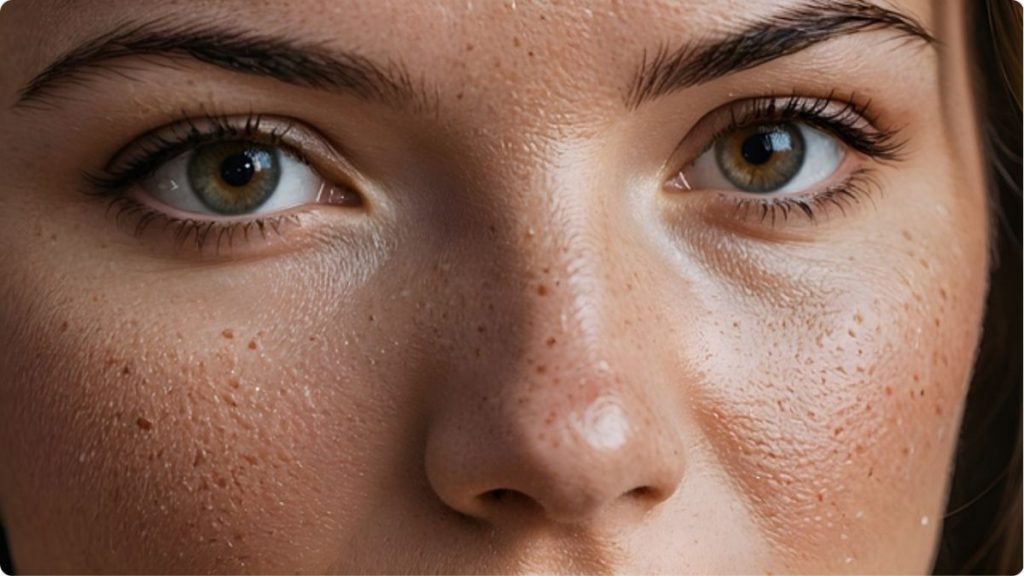
Oil is one of the biggest levers. Oilier skin tends to hold onto fragrance molecules longer, often making scents feel richer and more blended over time. That can be great for longevity, but it can also make sweet notes read sweeter and resinous notes read denser.
Drier skin can do the opposite. It may feel like a perfume “disappears,” or it may stay detectable but lose its roundedness, leaving brighter notes more exposed. Many people interpret that as the fragrance turning sharp or thin.
A useful way to think about it: oil can act like a slow-release medium, while very dry skin can behave like a fast, uneven evaporator.
Skin temperature and blood flow change projection
Heat increases volatility. If you run warm, exercise frequently, or live in a hot climate, you may get a bigger opening and more projection (sillage) early on – and then a quicker drop-off. Cooler skin can keep a fragrance closer, sometimes improving longevity but lowering the “cloud” effect others notice.
This is also why the same perfume can smell different on different body zones. Wrists and neck can run warmer than forearms, and areas covered by clothing create a warmer microclimate that can intensify certain notes.
Sweat and humidity shift how notes read
Sweat is mostly water plus salts and trace compounds. It can dilute some top notes while making others feel more piercing, especially bright aromatics. Humidity slows evaporation in the air but can make skin feel more hydrated, which may improve how a perfume holds.
If a fragrance turns “sour” or strangely metallic on you only in summer, it is often a mix of heat, sweat, and faster top-note burnoff that exposes a base you do not love.
Microbiome and hygiene products can create “ghost notes”
Your skin microbiome varies person to person. That does not mean bacteria are “reacting” with perfume in a dramatic lab-sense, but it does mean your skin has its own background odor and surface conditions that can blend with fragrance.
More practically, the products you use daily can be the hidden driver: fragranced body wash, deodorant, lotion, hair products, even laundry detergent. Those scents layer with your perfume whether you intended them to or not. If your perfume smells different on your skin than on a tester strip, check what else is already on you.
Skin pH is real, but usually a smaller factor than you think
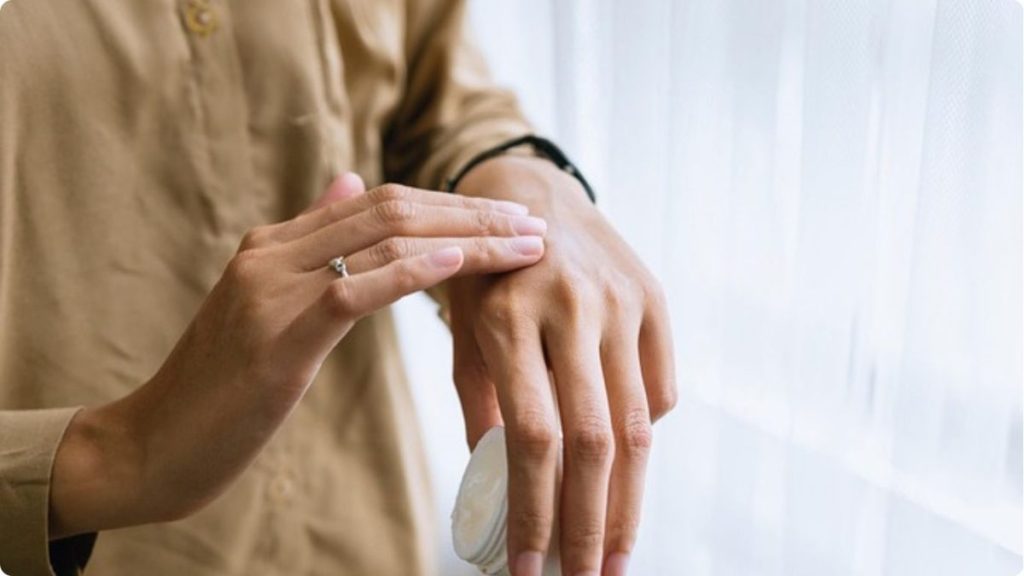
People often blame pH first. In reality, normal skin pH sits in a fairly narrow acidic range. It can vary with cleansing habits, sweating, and skin barrier health, but for most wearers the bigger movers are oil level, hydration, and heat.
Where pH matters most is when your skin barrier is disrupted (over-exfoliation, harsh soaps, irritation). In those moments, many fragrances can smell harsher and less stable.
Diet, medications, and stress change your baseline scent
If a perfume sometimes smells amazing and sometimes “off,” you may be catching a body-chemistry shift rather than a fragrance issue. Spicy foods, alcohol, and some supplements can change skin odor subtly. Certain medications and hormonal changes can do more. Stress can also increase sweat and change how quickly you heat up, which changes projection.
This is why one perfect test wear is not enough for a confident buy.
Why it smells different on you than on someone else
Two people can wear the same fragrance and get different results even if the formula is identical, the sprayer is identical, and the number of sprays is identical.
One person’s skin may be oilier and warmer, producing a louder opening and a sweeter drydown. Another person may be dry and cool, making the top notes feel spiky and the base feel faint. Add personal care products, climate, and clothing, and the gap widens.
The key takeaway for shoppers: you are not “bad at smelling perfume.” You are getting your own wear profile.
How to test a fragrance so you trust the result
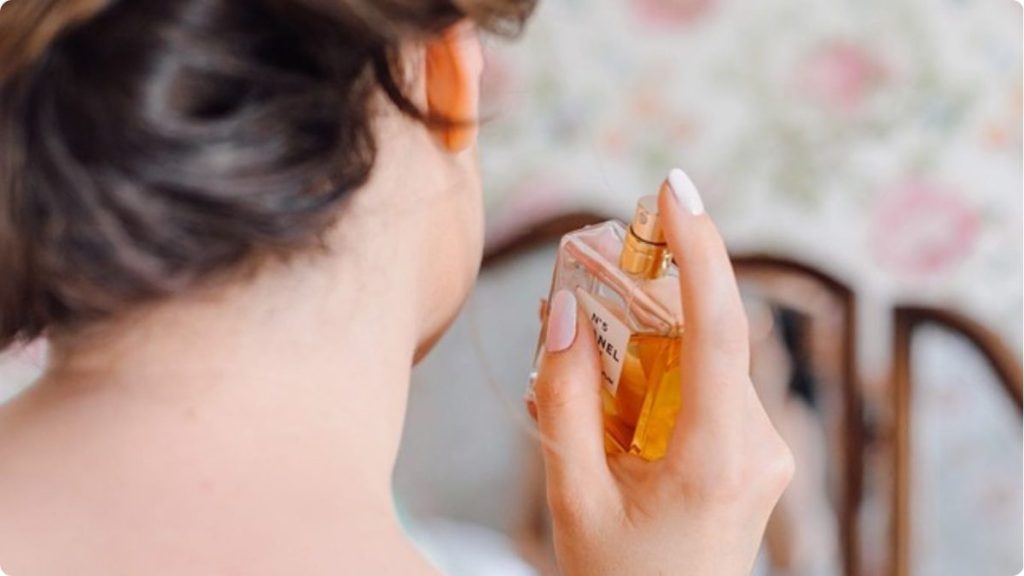
If your goal is fewer disappointing purchases and better day-to-day performance, your test needs to mimic your real life.
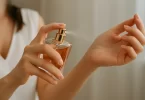
Start with one fragrance at a time. Apply to clean, mostly unscented skin. Use one spray on the inner forearm if you want a controlled read, or one spray to the chest if you want a realistic wear scenario (warmer, often under clothing). Avoid rubbing – it can heat the spot and change the opening.
Give it time in phases. Smell at 5 minutes (top), 30 to 60 minutes (heart), and 3 to 6 hours (base). If you only like the first 10 minutes, you do not actually like the fragrance enough to own it.
Then test it again on a different day, ideally with different conditions. If it only works for you in one narrow scenario, that is not a deal-breaker, but it should shape when you wear it.
If you want an extra layer of confidence, compare skin vs fabric. Spray once on skin and once on a T-shirt near the hem. Fabric often preserves top notes longer and can reveal whether your issue is skin-driven or simply that the fragrance’s drydown is not your style.
Practical fixes when perfume turns weird, sharp, or too sweet
You usually do not need a new bottle – you need better control of the wear environment.
Hydrate your skin before application. An unscented lotion (or a very lightly scented one that you know plays well with your perfume) can reduce “burnoff” on dry skin and help the scent develop more smoothly.
Move your spray placement. If a perfume becomes cloying on your neck, try the back of the shoulders or lower torso where heat is less intense. If a perfume disappears on wrists, try the inner elbow or chest, or add a light mist to clothing for a longer scent trail.
Adjust dosage, not just brand. Some perfumes are simply powerful and read sweeter or louder as you add sprays. If a scent overwhelms you, cut sprays in half and place them lower on the body. If it is too faint, add one clothing spray instead of piling onto skin.
Use intentional layering to steer the outcome. Layering is not about creating a “new perfume” from scratch – it is about correcting an imbalance. A clean musk or skin-scent style fragrance under a sharp citrus can add softness. A lightly woody base can anchor a fleeting floral. The trade-off is complexity: layering can make it harder to predict how you will smell in different environments, so keep combinations simple and repeatable.
For more performance-first tactics on skin chemistry and wear, PerfumeOnSkin.com focuses on exactly this kind of on-body decision support.
When the issue is the perfume, not your skin
Sometimes the answer to “why does it smell different on me?” is that you are mostly noticing the fragrance’s structure.
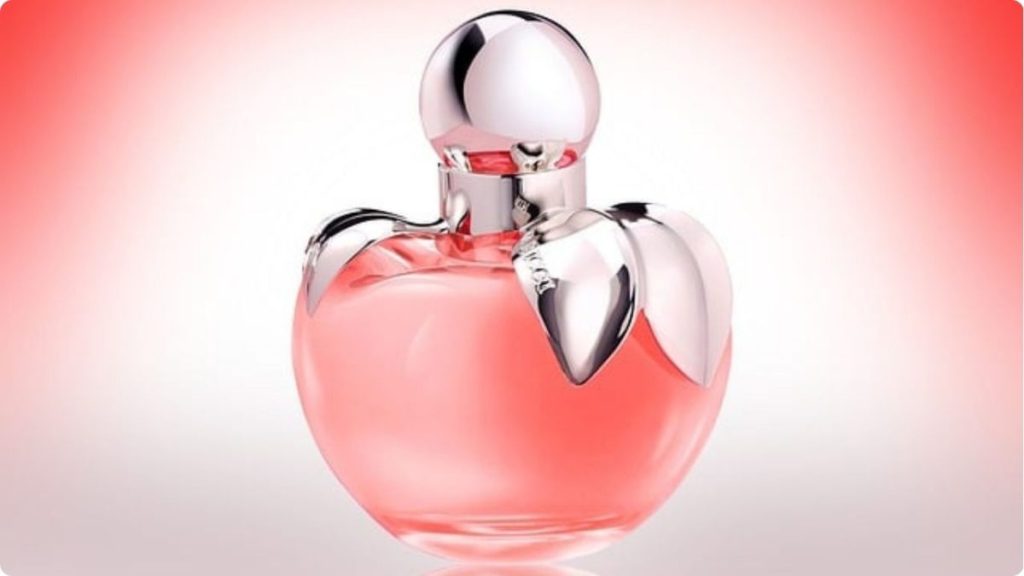
Many modern perfumes are built with strong musks, ambers, and sweet woods that bloom in the drydown. If you love the opening but dislike that warm, musky base, it will bother you on everyone – you just notice it more on your own skin because you are close to it for hours.
Also consider concentration and style. An eau de parfum with dense base materials can feel heavier and more persistent than an eau de toilette version. Fresh “blue” styles can turn metallic on some wearers in heat. Gourmands can become too edible on warm, oily skin. None of that is a flaw. It is fit.
A decision framework that prevents bad buys
If a fragrance is doing something you do not like on skin, the fastest path forward is to identify the category of problem.
If it smells great but fades fast, you are dealing with a longevity and diffusion issue. Fix it with skin prep, placement, and fabric support.
If it smells noticeably different – sharper, sourer, sweeter, or oddly dusty – you are dealing with balance and development. Fix it with placement, fewer sprays, and a second test wear in a different climate or after switching to unscented body products.
If it consistently dries down into a note you dislike, that is not chemistry. That is preference. Your best fix is selection: look for fragrances whose base notes you enjoy, because that is what you will live with.
Closing thought: treat your skin like the final ingredient in every bottle you try. Once you test for your real conditions instead of the store’s, the “mystery” turns into a repeatable process – and that is when finding a signature stops feeling like luck.

Leave a Comment