
Your perfume can lose character long before the bottle is empty, and poor storage is often the reason. If you want to know how to store perfume properly, the goal is simple: protect the formula from heat, light, air, and temperature swings so it keeps smelling the way it should on skin.
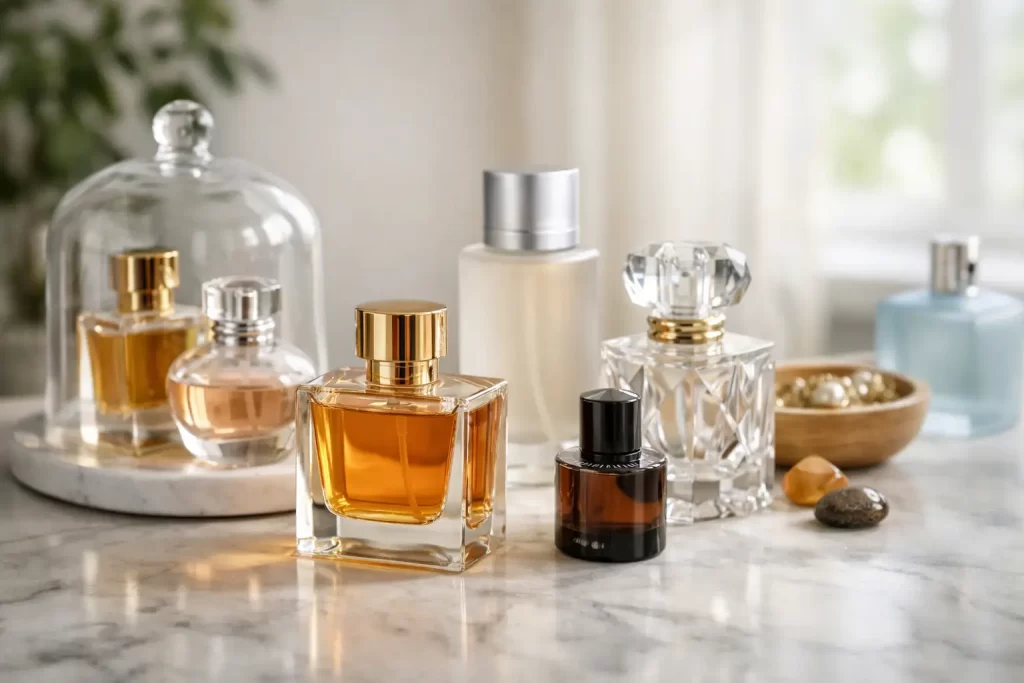
That matters more than many fragrance users realize. When a perfume starts to fade faster, smell flatter, or develop a sharp alcohol-heavy opening, people often blame the scent itself or their skin chemistry. Sometimes the issue is the bottle sitting on a sunny dresser, in a humid bathroom, or near a heat source. Storage does not just affect the liquid in the bottle. It affects the performance you actually get when you wear it.
How to store perfume properly for best performance
Perfume is a mix of aromatic compounds, alcohol, and sometimes water or oils. That blend is relatively stable, but not invincible. Light can degrade delicate notes. Heat can speed up chemical changes. Air exposure can gradually alter the balance of the composition. Over time, these shifts can change how a fragrance opens, develops, and lasts on skin.
For most people, the best storage spot is a cool, dark, dry place with a steady temperature. A bedroom drawer, closed cabinet, or closet shelf usually works better than a bathroom counter or windowsill. You do not need laboratory conditions. You just need consistency.
If you own several perfumes, this becomes even more important. Rotation means some bottles may sit untouched for weeks at a time. The less they are exposed to environmental stress during that downtime, the more likely they are to perform as expected when you reach for them again.
The four things that damage perfume fastest
Heat is usually the biggest problem. High temperatures can accelerate oxidation and breakdown in the formula, especially in fragrances with bright citrus, fresh aromatics, and delicate florals. A bottle kept in a hot car or near a radiator may age dramatically faster than one stored in a stable room.
Light is another common issue, especially direct sunlight. UV exposure can affect both the liquid and the fragrance oils inside it. Clear bottles look attractive on display, but they also leave the juice more vulnerable if they sit in bright conditions every day.
Air matters too, although less than heat and light for most modern spray bottles. Every time you spray, a small amount of air enters the bottle. That is normal. The bigger concern is leaving caps off, using damaged atomizers, or storing perfume in poorly sealed decants for long periods.
Humidity is often overlooked. Bathrooms seem convenient, but repeated steam and temperature swings create an unstable environment. Moisture itself is less likely to ruin a sealed bottle than heat or light, but constant humidity changes are still not ideal for long-term preservation.
The best place to keep your perfume
If you want one simple rule, store perfume where you would keep something sensitive and expensive that does not need refrigeration. A dark drawer in your bedroom is a strong default. A closet shelf away from an exterior wall can also work well. The space should stay relatively cool year-round and should not heat up during the day.
For collectors, a closed cabinet is often the best balance between access and protection. It keeps bottles organized, reduces light exposure, and helps avoid accidental heat from lamps or electronics. If you like seeing your collection, you can display a few frequently used bottles and keep the rest stored away. That is a reasonable compromise.
The best location also depends on your living situation. In a small apartment without much climate control, the coolest interior storage space may be better than a decorative vanity setup. In a house with central air and stable indoor temperatures, a bedroom cabinet is usually enough.
Should you keep perfume in the box?
In many cases, yes. The original box adds an extra layer of light protection and can help buffer minor temperature changes. If you do not mind the extra step of opening the box, it is one of the easiest ways to reduce exposure.
That said, keeping perfume in the box is more useful for fragrances you wear less often or want to preserve long term. For an everyday signature scent, a dark drawer or cabinet may be practical enough on its own. Convenience matters because good storage habits only work if you actually follow them.
Places you should avoid
Bathrooms are the most common bad choice. They are humid, they heat up quickly during showers, and the temperature changes repeatedly. A bottle may survive there for a while, but it is not the best environment if you care about preserving the scent profile.
Windowsills are worse. Direct sun and heat exposure can speed up deterioration, especially for transparent bottles. Even indirect bright light over months can have an effect.
Cars are another hard no unless the perfume is there briefly. Interior temperatures can swing dramatically in both summer and winter, and that kind of stress is rough on fragrance formulas.
You should also avoid storing perfume near heaters, vents, radiators, or hot styling tools. Even if the room itself feels normal, the microclimate around a heat source can be much warmer than you think.
How to store perfume properly if you decant or travel
Travel sprays and decants are convenient, but they are usually less protective than the original bottle. Smaller atomizers can let in more air over time, and the materials or seals may not be as reliable. That does not mean decants are a bad idea. It means they are best for short- to medium-term use, not years of storage.
If you decant perfume, use clean, well-sealed atomizers and keep them out of light and heat just as you would with a full bottle. Label them clearly with the fragrance name and the date if you plan to hold them for a while. That helps you track whether any performance change is coming from the scent itself or from the storage setup.
For travel, keep perfume in a bag or case rather than loose in a hot car or exposed on a hotel bathroom counter. If you fly often, a small atomizer you finish within a few months is usually a better move than repeatedly exposing a large bottle to transport and handling.
Should you refrigerate perfume?
Usually, no. Refrigeration is not necessary for most fragrances and can create its own issues if the temperature is too cold or if the bottle is moved in and out frequently. Sudden changes matter almost as much as high heat. A stable cool room is better than a very cold environment with repeated fluctuations.
There are exceptions. If you live in an especially hot climate and your home stays warm most of the year, a dedicated skincare-style mini fridge set to a moderate temperature can help. But this only makes sense if the temperature is steady and the bottles are not constantly removed and returned. For the average user, refrigeration adds complexity without much real benefit.
Signs your perfume has been stored poorly
A perfume does not have to smell completely bad to be compromised. Sometimes the change is subtle. The top notes may disappear faster than they used to. Fresh scents may lose sparkle. Sweet or resinous fragrances can start to smell thicker, duller, or slightly sour.
You may also notice a color change. Darkening does not always mean a perfume is ruined, since some formulas naturally deepen with age. But if the scent profile has shifted along with the color, storage may be part of the reason.
Performance changes on skin can be a clue too. If a fragrance suddenly projects less, develops unevenly, or turns harsh in the opening, do not assume your skin chemistry changed overnight. Check where and how the bottle has been stored.
Simple storage habits that make a real difference
Keep the cap on securely. Store bottles upright. Return them to the same cool, dark place after use instead of leaving them out for convenience. Avoid buying oversized bottles unless you wear that fragrance often enough to use a meaningful amount before years pass.
This is one area where buying habits and storage strategy overlap. A large bottle may look like better value, but if it sits half-used in poor conditions for years, the actual value drops. For many people, a smaller bottle stored well delivers better long-term performance than a large bottle stored casually.
If you collect perfumes based on season, organize them with use in mind. Keep your current rotation accessible and store the rest more protectively. That approach helps reduce repeated handling and unnecessary exposure while making your wardrobe easier to manage.
At PerfumeOnSkin, we look at fragrance through the lens of real-world wear, and storage is part of that equation. A perfume can only show its true longevity, projection, and skin development if the formula has been preserved properly in the first place.
Treat perfume like a performance product, not just a display item. When you store it well, you are not only protecting the bottle – you are protecting the version of the scent you paid for and the way it is meant to smell on your skin.
Leave a Comment