
How to layer perfume correctly? Perfume layering for beginners works best when you understand that many layering mistakes happen long before the first spray touches the skin. People combine two perfumes they love on paper, then wonder why the result smells flat, sharp, or strangely muddy on skin. The missing piece is usually not taste. It is structure.

Layering works best when you treat fragrance like performance on skin, not just a mix of nice-smelling notes. Your body heat, skin moisture, and the strength of each formula all affect what rises first, what lingers, and what gets buried. For beginners, that is good news. You do not need a large collection or a trained nose to get better results. You need a simple method.
Perfume layering guide for beginners: start with function
If you are new to layering, do not begin by asking which two perfumes “go together.” Start by asking what job the second scent needs to do. In most successful combinations, one fragrance leads and the other supports.
A support fragrance usually does one of three things. It softens a harsh edge, adds warmth or freshness, or improves the transition from opening to dry-down. For example, a bright citrus that disappears quickly may benefit from a soft musk underneath. A sweet vanilla that feels heavy may wear better with a clean woody layer that gives it shape.
This functional approach matters because layering is not always about making something stronger. Sometimes it is about making a perfume easier to wear, more balanced, or better suited to your skin chemistry.
How layering behaves on skin
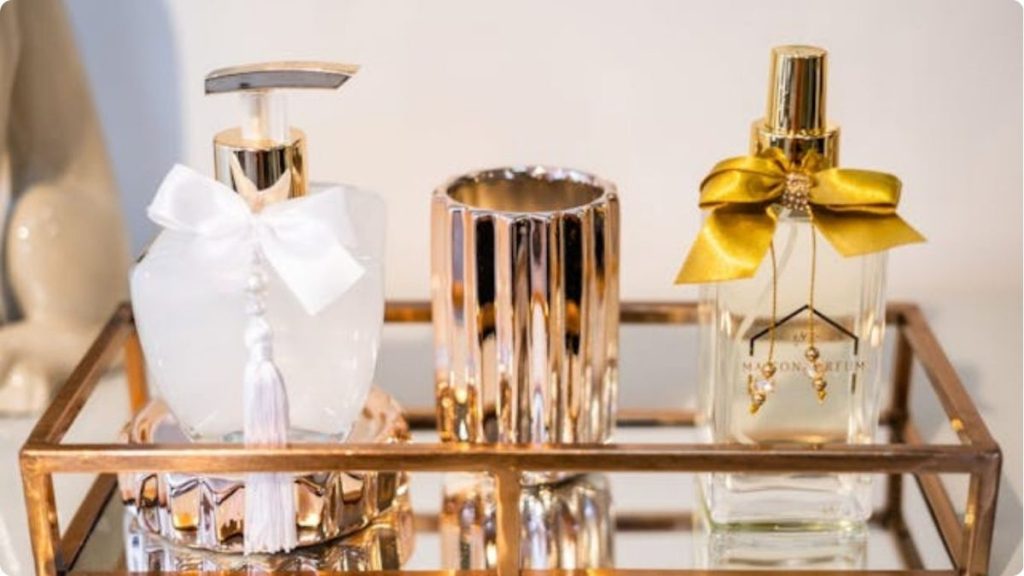
The same two perfumes can smell polished on one person and chaotic on another. That is why layering should always be tested on skin, not just in the air or on blotters.
Oilier skin often holds onto base notes longer, which can make amber, musk, patchouli, and vanilla combinations feel richer and denser over time. Drier skin may burn through sparkling top notes fast, so fresh pairings can seem short-lived unless one layer has a stronger woody or musky base. Body heat also changes the picture. Warmer skin tends to push projection early, which can make a layered scent feel louder than expected in the first hour.
This is where beginners often overapply. If each perfume performs well on its own, layering full sprays of both can double the intensity without improving the scent. The smarter move is to reduce quantity before changing the pairing.
A simple layering framework that actually works
| Perfume Combination | Fragrance Style | Resulting Scent Profile | Best Occasion |
|---|---|---|---|
| Maison Francis Kurkdjian Baccarat Rouge 540 + Tom Ford Lost Cherry | Amber + Fruity Gourmand | Sweet, rich, seductive with cherry and warm amber | Date nights, luxury events |
| Tom Ford Tobacco Vanille + Yves Saint Laurent Black Opium | Vanilla Tobacco + Coffee Gourmand | Warm, cozy, slightly spicy with sweet coffee notes | Evening wear, winter |
| Le Labo Santal 33 + Jo Malone Lime Basil & Mandarin | Woody + Citrus Fresh | Clean, sophisticated, and refreshing with smooth sandalwood | Office, daytime luxury |
| Maison Francis Kurkdjian Baccarat Rouge 540 + Tom Ford Ombré Leather | Amber + Leather | Bold, powerful, and luxurious with smoky leather depth | Night events, special occasions |
| Byredo Gypsy Water + Diptyque Eau Duelle | Woody + Spicy Vanilla | Warm, cozy, slightly spicy with elegant woody notes | Fall, spring, casual luxury |
The easiest way to build a combination is to choose one anchor and one modifier. The anchor is the fragrance you want to recognize clearly by the end of the wear. The modifier changes the texture, tone, or brightness.
Usually, the heavier or longer-lasting fragrance should be the anchor. That gives the combination a stable base on skin. The modifier should be lighter, more transparent, or used in a smaller amount. If both scents are dense, sweet, or heavily resinous, they may compete instead of blend.
A practical beginner formula looks like this: pair fresh with warm, floral with musk, or woody with vanilla. These families tend to create contrast without creating confusion. A crisp bergamot fragrance over a skin musk can smell cleaner and more dimensional. A rose over a soft vanilla can feel rounder and less powdery. A sandalwood under a bright neroli can slow down the fade and create a smoother dry-down.
The combinations that tend to fail for beginners are those with too many dominant ideas at once. Two loud gourmands can become syrupy. Two smoky woods can feel dry and abrasive. Two perfumes with very different signatures, such as marine aquatic and spicy oriental, can work, but usually only with careful dosing.
Perfume layering guide for beginners: order and placement
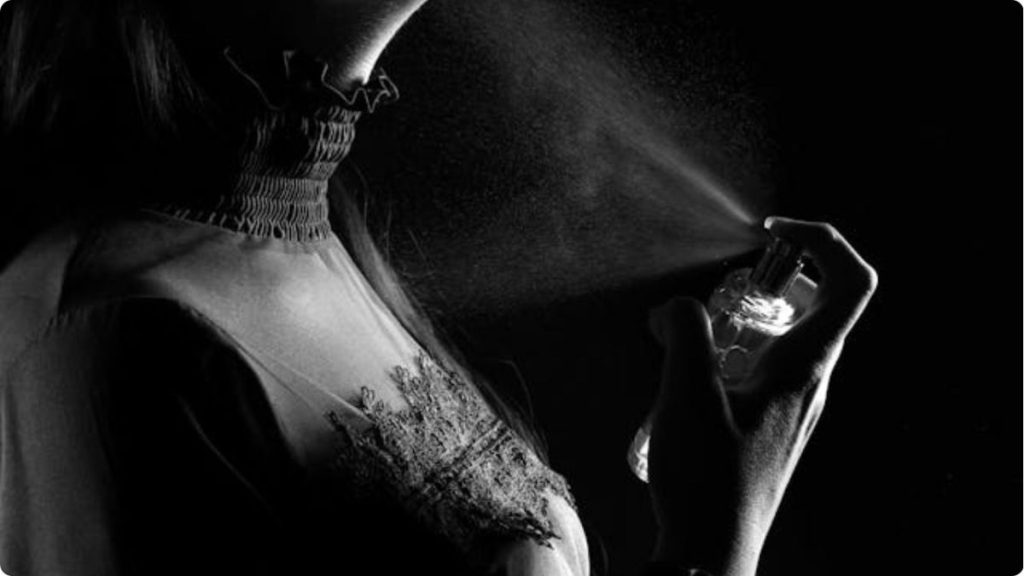
Application order matters, but not in a rigid way. In general, apply the denser, slower-moving scent first and the brighter or more volatile scent second. That usually helps the fresher notes stay noticeable at the top while the base remains intact underneath.
Placement matters just as much. You do not always need to spray both fragrances on the exact same spot. If one perfume has strong projection and the other is more intimate, try separating them slightly. You might place the base scent on the chest or inner elbows and the brighter modifier on the wrists or neck. This creates a blended scent cloud without forcing both formulas into direct competition.
If you want a tighter fusion, layer them on the same area but cut the amount. One spray of the anchor and half the usual amount of the modifier is often enough. Beginners get better results by under-layering first and adding later if needed.
The safest pairings to try first: Perfume Layering for Beginners

Clean musk is one of the best training tools for layering because it changes the feel of another perfume without completely taking over. It can make florals feel softer, citrus feel more skin-like, and woods feel smoother.
Vanilla is another useful modifier, but it depends on style. A dry vanilla or vanilla-amber can make a sharp fragrance feel more rounded. A sugary vanilla can quickly dominate and turn a fresh perfume into something dessert-like. If you like sweeter scents but want control, start with a restrained vanilla rather than a gourmand-heavy one.
Soft woods like sandalwood and cashmere-style woods are also beginner-friendly. They add structure and staying power without the harshness that some cedar-heavy or smoky wood fragrances can bring. Fresh citrus can work well too, but mainly as a top-layer accent, since it tends to fade fastest.
If you own several perfumes and do not know where to begin, test your cleanest scent with your warmest scent. Then test your freshest scent with your softest musk or wood. Those pairings reveal quickly whether your collection has layering potential.
How to test a pairing without wasting a day
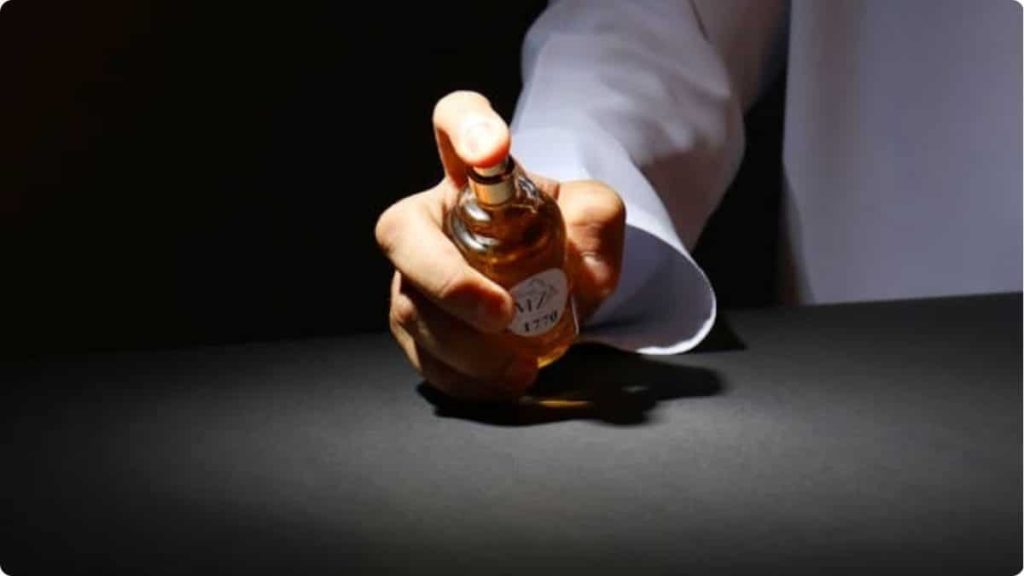
Do not judge a layer in the first five minutes. Many combinations smell disjointed at the opening and settle after 20 to 30 minutes. What matters more is whether the scent becomes clearer or more confused as it dries down.
A good testing method is to wear the pairing on one arm and the anchor fragrance alone on the other. That gives you a direct performance comparison. Pay attention to three things: whether the layered version lasts longer, whether projection becomes more pleasant or too strong, and whether the character of the original perfume still feels recognizable.
If the layer smells better at the start but worse later, the issue is usually base-note conflict. If it smells muddled right away, the opening notes are clashing. If it disappears too fast, both fragrances may be too top-heavy for your skin.
Keeping brief notes helps more than people expect. You do not need a formal fragrance journal. Just record the pairing, spray count, placement, and what happened after one hour and four hours. That is how you turn layering from guesswork into a repeatable process.
Common beginner mistakes
The first mistake is layering for volume instead of balance. More scent does not automatically mean better performance. It often means stronger projection for a short window and a less defined dry-down.
The second is combining fragrances with the same problem. If both perfumes are overly sweet, overly sharp, or weak in longevity, layering them may amplify the weakness rather than fix it.
The third is ignoring skin prep. Fragrance generally performs better on moisturized skin, especially if your skin runs dry. An unscented lotion can help both layers hold longer and develop more evenly. This is especially useful with airy florals, citrus scents, and transparent musks.
The last mistake is expecting every perfume to layer well. Some fragrances are already compositionally dense and complete. They do not need much help, and adding another scent can flatten their shape.
When layering is worth it and when it is not
Layering is worth trying when a perfume is close to right but not quite there. Maybe it smells beautiful yet fades too quickly. Maybe the opening is too sharp, the base too sweet, or the whole fragrance feels too formal for everyday wear. A smart second layer can solve that.
It is probably not worth forcing when you already love the perfume’s full development on your skin. In that case, layering may reduce clarity rather than improve it. There is also a practical limit. If a scent already projects strongly in your climate or workplace, layering can make it less wearable even if it smells good up close.
That is why the best beginner mindset is adjustment, not reinvention. You are not trying to invent a brand-new perfume every morning. You are learning how to make what you own fit your skin, your setting, and your preferences more precisely.
If you want more fragrance advice built around real wear and skin behavior, PerfumeOnSkin.com approaches layering the same way it approaches longevity and scent selection – as something you can test, refine, and improve.
The best layered scent is not the most complicated one. It is the one that smells more like you, and keeps doing that hours later.




Leave a Comment