
A perfume can smell perfect at first spray and still disappoint an hour later if it sits too close to the skin or disappears from the air too quickly. That is why a guide to fragrance projection and sillage matters. These two performance traits shape how a scent is noticed in real life, not just how it smells on a blotter.

Many shoppers use projection and sillage as if they mean the same thing. They are related, but they describe different parts of a fragrance’s behavior. If you want better results from the bottles you already own, understanding that difference helps you choose smarter, spray smarter, and set realistic expectations for each scent.
What projection and sillage actually mean
Projection is how far a fragrance radiates from your skin at a given moment. Think of it as the size of your scent bubble. A fragrance with strong projection is noticeable in your personal space and sometimes beyond it, especially in the first one to three hours.
Sillage is the scented trail a fragrance leaves behind as you move through a room. It is not only about strength. It is about diffusion, air movement, and how the materials in the formula lift off the skin over time. A fragrance can have moderate projection but beautiful sillage, or loud early projection with very little elegant trail once the top notes burn off.
This distinction matters because people often ask for a “strong” fragrance when what they really want is one of two things: either they want others to notice them up close, or they want that lingering trace that remains after they walk by. Those are not always delivered by the same perfume.
A practical guide to fragrance projection and sillage on skin

On-skin performance is where expectations usually get tested. The same perfume can project sharply on one person and stay soft on another. Skin chemistry, moisture level, body temperature, and even hair and clothing can change how aromatic molecules evaporate.
Oilier skin often holds fragrance longer and can soften the evaporation curve, which sometimes leads to steadier projection. Dry skin may make a fragrance fade faster or feel quieter, even when the formula itself is well built. Warmer skin tends to push a scent outward more quickly, which can make a fragrance feel bigger at first but shorten its most radiant stage.
This is one reason blind-buy disappointment happens so often. A review that calls a perfume beast mode may be true for that reviewer’s skin, climate, and spray habit. It may not be true for yours.
Fragrance concentration helps, but it is not the whole story
Many people assume parfum always projects more than eau de toilette. Sometimes it does not. Higher concentration often improves richness and longevity, but projection depends on the balance of volatile top notes, aroma chemicals, resins, musks, woods, and fixatives.
An eau de toilette built around bright citruses, aromatics, and modern diffusion materials can feel more expansive than a dense extrait that stays close to the skin. Richer concentrations often excel at depth and duration, while lighter formats can feel more airy and noticeable early on. It depends on the formula, not just the label.
Notes and materials change how a scent travels
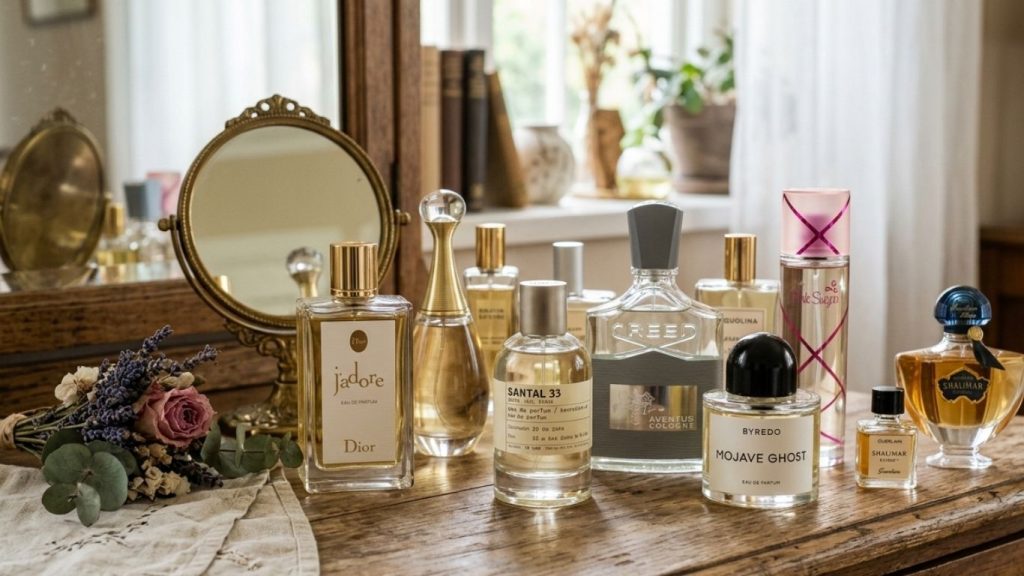
Some note families naturally read louder. White florals, certain ambers, aldehydes, aromatics, spicy accords, and many synthetic musks can create strong diffusion. Vanilla, woods, iris, balsams, and resins may last a long time but project in a softer, closer way depending on the blend.
Citrus is a good example of the trade-off. It can give a vivid opening and energetic projection, but the effect may drop quickly unless it is anchored by stronger base materials. Musks are another example. Some create a clean, wide aura, while others become nearly invisible to certain wearers because of partial anosmia. If a fragrance gets rave reviews for its trail and you barely smell it, your nose may be adapting to key materials faster than the people around you.
Why your fragrance projects less than expected
Poor projection is not always a bad formula. Often it comes down to wear conditions.
Dry skin is one of the biggest factors. Fragrance needs some moisture and oil on the skin to slow evaporation and help the scent unfold in stages. If your skin is dehydrated, the top notes can flash off and leave a faint base before the perfume has a chance to bloom.
Spray placement also matters. Neck and chest areas usually generate more lift because they are warmer. Forearms can work well too, especially if you want a scent bubble you can still smell yourself. If you only spray cold, covered areas, the perfume may stay muted.
You can also become nose-blind. If you apply fragrance directly under your nose, such as the front of the neck or upper chest, your brain may tune it out within minutes. Other people may still smell it clearly. This is one of the most common reasons users overspray and accidentally turn a moderate fragrance into an overwhelming one.
How to improve projection without overspraying
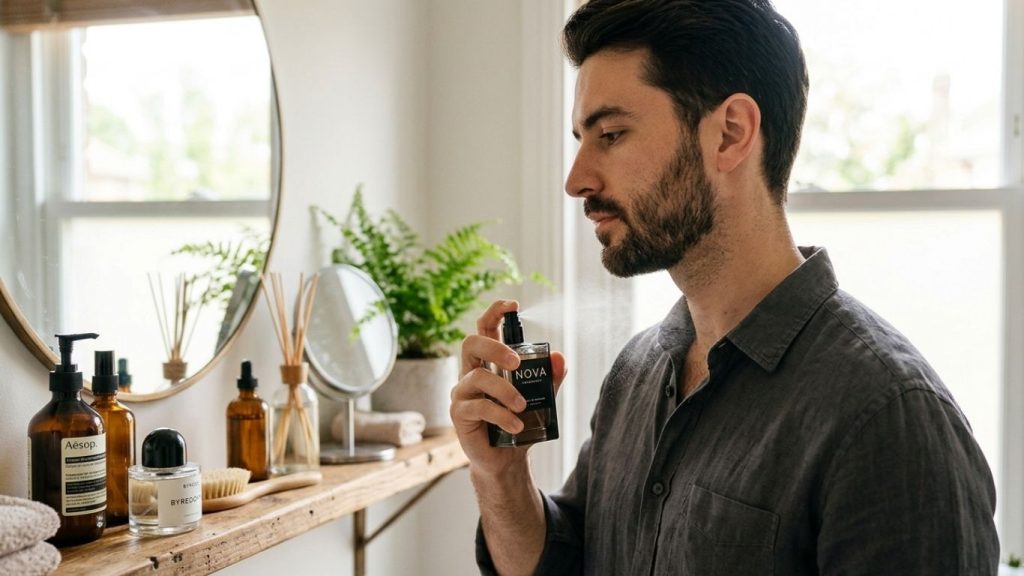
The goal is controlled lift, not maximum volume. Better projection comes from giving the fragrance a better surface and a better environment.
Start with moisturized skin. An unscented lotion or cream applied 5 to 10 minutes before spraying often improves both longevity and projection. This is especially useful with fresh scents, skin scents, and compositions that tend to disappear on dry skin.
Use strategic spray zones instead of simply adding more sprays. Two sprays on pulse points at the sides of the neck, one on the chest, and one on the forearm often performs better than four sprays in one place. Spreading the application helps the scent diffuse more naturally.
Clothing can extend the trail, but use it carefully. Fabric often holds fragrance longer than skin, which can improve perceived sillage. At the same time, some notes smell flatter on clothing, and delicate fabrics may stain. If you use this method, test first and avoid silk, satin, and light-colored materials.
Hair can also carry scent well because it moves and releases fragrance gradually. The caution is alcohol dryness. Either mist from a distance or use a hair-specific fragrance product if you are applying often.
How to evaluate sillage realistically
Sillage is harder to judge on yourself because you are moving with the fragrance cloud. A better test is to apply your normal number of sprays, walk through a room, and ask someone you trust what they notice after you pass by. Another useful method is to spray one area of clothing and check whether the scent lingers in the air when you pick it up later.
Time matters here. Many perfumes have strong sillage in the opening but settle into a skin scent after 90 minutes. Others start calmly and create a more refined trail during the heart and base. If you only judge a fragrance in the first 15 minutes, you may misread its real-world behavior.
This is also where occasion should guide your expectations. For work, close-range projection and soft sillage are often better than dramatic diffusion. For evenings out, social events, or outdoor settings, a fragrance with stronger air presence may make more sense. Good performance is not always louder performance.
Choosing perfumes based on the projection and sillage you want

If you want a scent that people notice in conversation, look for fragrances described as moderate to strong in early projection, especially in aromatic, floral, spicy, or amber categories. If you want a more polished trail, pay attention to comments about diffusion, lingering aura, and how the fragrance moves rather than just how long it lasts.
Longevity and sillage are connected but not interchangeable. A perfume can last 10 hours and still become a skin scent after the second hour. Another may last six hours but leave a far more memorable trail while it is active. For many wearers, that second type performs better in the moments that matter.
At PerfumeOnSkin, the most useful mindset is to treat fragrance performance as a fit question, not a ranking contest. Your skin, your environment, and your purpose should decide whether you need a close-wearing scent, a room-filling one, or something in between.
Common mistakes in any guide to fragrance projection and sillage
Rubbing wrists together is the classic one. It will not destroy every fragrance, but it can flatten the opening and shorten the sparkling stage that often contributes to projection. Let the spray dry on its own.
Overspraying is another mistake, especially when you are nose-blind. If you stop smelling your fragrance, that does not prove it is gone. Test before adding more.
Ignoring weather also changes results. Heat increases diffusion and can make heavy fragrances feel much bigger than expected. Cold weather can mute projection, which is why richer woods, spices, and ambers often feel more balanced in fall and winter.
A good fragrance routine is not about forcing every perfume to perform the same way. It is about understanding what that scent does naturally, then adjusting your skin prep, spray placement, and expectations so the fragrance works with you, not against you.
The best result is not a perfume that shouts all day. It is one that shows up at the right distance, leaves the right impression, and still feels like your own skin wearing scent well.





Leave a Comment