
Layering works best when each fragrance has a job. One adds lift, one adds depth, and one smooths the transition from opening to drydown. That is exactly why people search for the best khadlaj and swiss arabian layering perfumes – these houses offer rich scent structures, strong bases, and enough variety to build combinations that feel customized rather than random.
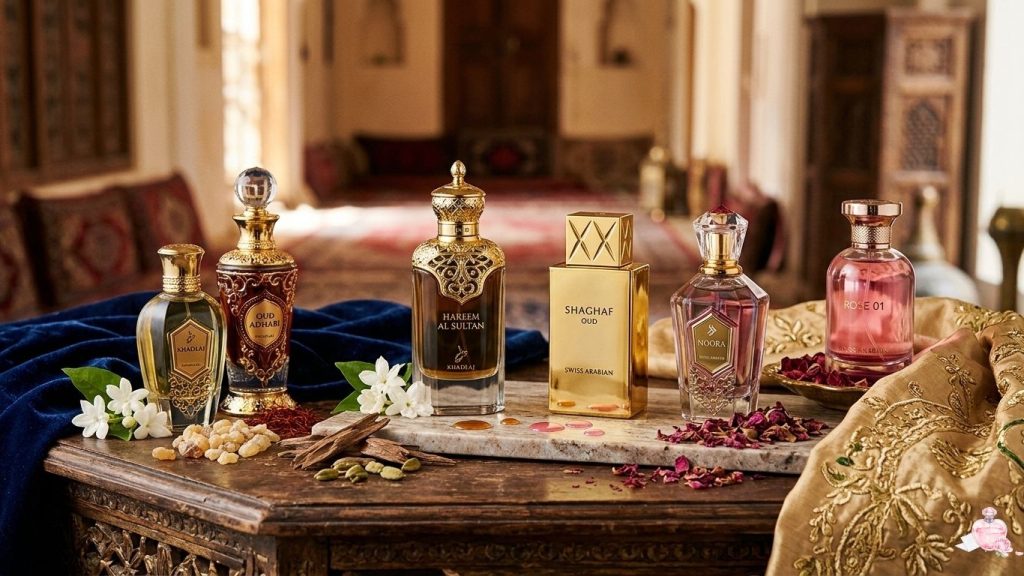
The challenge is not finding perfumes that smell good on paper. It is finding pairings that behave well on skin, especially if you care about longevity, projection, and whether a blend stays balanced after the first hour. Khadlaj and Swiss Arabian both lean into fuller scent profiles, but they do not perform the same way. Some are better as anchors, some as top-layer brighteners, and some only work if your skin does not amplify sweet notes too aggressively.
How to choose the best Khadlaj and Swiss Arabian layering perfumes
Start with function, not brand loyalty. In layering, every bottle should play one of three roles: a base, a modifier, or a finisher. A base fragrance brings durability and structure, usually through amber, musk, oud, vanilla, woods, or resins. A modifier changes the mood of that base by adding rose, saffron, fruit, spice, or smoke. A finisher is the scent that shapes the first 30 to 60 minutes, often through citrus, aromatic notes, or lighter florals.
This matters because many Middle Eastern fragrances are already dense. If you stack two heavy amber-oud perfumes, you may get strong performance but poor definition. On warmer skin, the blend can flatten into sweetness or become louder than intended. The better strategy is contrast with compatibility – pairing a resinous base with a cleaner musk, or a sweet vanilla oud with a brighter floral-spice layer.
Skin chemistry also changes the outcome. If your skin tends to pull sweet, be careful with gourmand amber combinations because they can become syrupy fast. If your skin eats lighter notes, you will usually get better results by placing the fresher fragrance on clothing and the denser fragrance on pulse points. That keeps the opening present while the base develops on skin.
The scent profiles that layer best across both houses
Khadlaj is often strongest when you want plush texture – creamy woods, warm amber, vanilla, rose, and oud styles that read smooth rather than sharp. Swiss Arabian has more variation across airy musks, sweet orientals, florals, and traditional Middle Eastern profiles. Together, they give you enough range to build around a performance goal.
For most wearers, the easiest overlap sits in four families: amber-vanilla, rose-oud, musk-floral, and saffron-wood. Amber-vanilla combinations are the most forgiving and easiest for beginners. Rose-oud can be beautiful but needs a lighter hand, especially indoors or in warm weather. Musk-floral pairings are the most office-friendly. Saffron-wood combinations tend to project well and feel more polished than sugary.
If you only want a few dependable directions, focus on one soft base, one bold base, and two modifiers. That gives you enough flexibility without creating ten combinations that all smell like the same sweet amber cloud.
Best layering directions to try
1. Warm amber base plus clean musk top layer
| Layer Role | Brand | Perfume | Gender | Verified Key Notes | Why This Layering Works |
|---|---|---|---|---|---|
| Base | Khadlaj | Musk Pour Amber (EDP) | Unisex | Amber, Vanilla, Cedarwood, Rose, Musk | Dense amber‑vanilla structure creates warmth and longevity intentionally suited as a base layer |
| Top | Swiss Arabian | Private Musk | Unisex | Clean Musk, Soft Florals, Amber | Light, airy musk sits cleanly over amber without masking, refining sweetness into skin‑like freshness |
This is one of the safest ways to use richer Khadlaj profiles. Start with a warm amber or vanilla-forward Khadlaj scent as the foundation, then add a cleaner Swiss Arabian musk or soft floral musk over it. The result is less dense than the base alone, with better shape in the first hour.
Why it works: the musk cuts through heaviness and improves wearability without erasing character. This is especially useful if your skin makes amber fragrances bloom too strongly. The musk acts like a buffer, keeping the blend smoother and more controlled.
Best for: daily wear, cooler offices, evening dinners, and anyone who wants stronger longevity without smelling overloaded.
2. Rose-oud underlayer with vanilla-amber softening
| Layer Role | Brand | Perfume | Gender | Verified Key Notes | Why This Layering Works |
|---|---|---|---|---|---|
| Base | Swiss Arabian | Shaghaf Oud Ahmar | Unisex | Rose, Oud, Amber, Tonka, Vanilla | Classic rose‑oud with amber density—ideal Middle Eastern foundation |
| Top | Khadlaj | La Fede Intoxicate | Unisex | Vanilla, Amber, Soft Woods | Vanilla‑amber smooths oud roughness and softens rose sharpness without overpowering |
If you like traditional Middle Eastern depth but want something more approachable, place a rose-oud style underneath and soften it with a vanilla-amber layer. Either brand can fill either role, but the key is proportion. One spray of the stronger oud-rose profile is usually enough, followed by two lighter sprays of the sweeter amber layer.
Why it works: oud and rose bring dimension, while vanilla amber rounds off the sharper edges. On skin, this can turn a formal scent profile into something more wearable and more likely to get compliments.
The trade-off is projection. If both perfumes are strong, this pairing can become room-filling. Use less than you think you need, and avoid overapplying on the neck in hot weather.
3. Saffron-spice with soft woods
| Layer Role | Brand | Perfume | Gender | Verified Key Notes | Why This Layering Works |
|---|---|---|---|---|---|
| Base | Swiss Arabian | Shaghaf Oud Royale | Unisex | Saffron, Oud, Nutmeg, Musk | Saffron‑led spice with oud depth provides strong projection foundation |
| Top | Khadlaj | Oud Pour Noble | Unisex | Soft Woods, Oud, Amber | Wood‑heavy formulation diffuses spice, rounding sharp saffron intensity |
Some of the best khadlaj and swiss arabian layering perfumes fall into the saffron, spice, and wood space because they add sophistication without relying purely on sugar. A spicy saffron opening layered over soft woods or amber woods tends to hold its identity longer than many fruit-heavy combinations.
Why it works: saffron gives lift and distinction, while woods provide body. If your skin chemistry dulls citrus quickly, this route often performs better than trying to create freshness with lighter top notes that disappear in 20 minutes.
Best for: nights out, cooler weather, and wearers who want something less common than vanilla-forward blends.
4. Sweet oriental base with airy floral finish
| Layer Role | Brand | Perfume | Gender | Verified Key Notes | Why This Layering Works |
|---|---|---|---|---|---|
| Base | Swiss Arabian | Casablanca | Unisex | Caramel, Apple, Vanilla, Musk | Gourmand‑oriental sweetness forms a rich but wearable base |
| Top | Khadlaj | Rose Couture | Women / Unisex | Rose, Soft Florals | Sheer floral lift prevents gourmand heaviness, creating balance and elegance |
This direction works well if you already own a dense sweet oriental and want to make it easier to wear in daytime. Use the oriental as your base and add a softer Swiss Arabian floral or floral-musk misting over clothing or hair.
Why it works: you keep the strong drydown and longevity of the oriental, but the floral finish changes the impression people get at first sniff. It feels more open, less syrupy, and more seasonal.
This is also one of the better approaches for gift buyers who are unsure what the recipient likes. A floral finisher gives a sweet base more versatility without changing it beyond recognition.
What to avoid when layering these brands
The biggest mistake is stacking two perfumes that peak in the same place. If both are dominated by sweet amber, caramelized vanilla, or smoky oud, they usually compete rather than blend. You may get power, but not clarity.
Another issue is spray placement. Applying both fragrances to the same pulse point can force a muddy opening. A better method is split placement – base fragrance on chest or inner elbows, modifier on neck or clothing. This gives each scent room to develop and lets you assess which part of the blend is actually improving performance.
Be careful with heavily oily skin or very warm body chemistry. Rich Arab-style fragrances can project harder and sweeter in those conditions. If that sounds like you, reduce total sprays and test the blend over a full day before treating it as a signature combination.
A simple testing method that saves money
Layering should be tested like a formula, not guessed in the moment. Try one pairing for three wears before deciding. On day one, spray equal amounts. On day two, reduce the sweeter fragrance. On day three, move one scent to clothing instead of skin. Take note of three things: how the blend smells at 15 minutes, 2 hours, and 6 hours.
That process tells you more than a first impression. Some combinations smell great immediately but collapse into flat sweetness later. Others feel too sharp at first and become excellent after the top notes fade. PerfumeOnSkin’s approach to fragrance is practical for a reason – the winning blend is the one that works on your skin, in your climate, across real wear time.
Who should buy for layering and who should keep it simple
If you already own several perfumes and feel that some are too sweet, too heavy, or too short-lived on their own, Khadlaj and Swiss Arabian are useful layering brands because they offer strong building blocks. If you are brand new to fragrance, start with one amber-musk direction and one floral-musk direction instead of trying oud combinations right away.
Gift buyers should stay in the safer amber, musk, and soft floral range unless they know the person already enjoys oud and saffron. The more traditional or more powerful profiles can be excellent, but they are less universally easy.
The best pairing is rarely the loudest one. It is the one that keeps its shape, matches your environment, and still smells intentional six hours later. Start there, and your collection will become much more useful than simply bigger.

Leave a Comment